The Age of Asymmetry
"In the age of asymmetry, the most consequential vulnerabilities will often be the least visible, and the most consequential strengths the least familiar."
— Nader Mousavizadeh, Financial Times
The defining feature of today's global economy is asymmetry, not interdependence. The post-Cold War assumption that dependencies were broadly shared, and that the open economy was a public good, has come apart.
Asymmetry operates across three reinforcing layers. At the operational level, cheap disrupters routinely outmatch expensive incumbents. Ukrainian drones costing a few thousand dollars destroy Russian equipment worth millions and frontier AI is collapsing the cost of effective cyber offence. At the infrastructural level, a handful of actors hold positions others cannot replicate. Dollar clearing, advanced chip fabrication, rare earth processing, hyperscale compute, container terminals and undersea cable repair fleets are all unevenly distributed. At the political level, authoritarian systems are structurally insulated from the domestic costs of strategic competition. Democracies, locked into electoral cycles, are not.
MAP helps clients audit their exposure to the leverage others hold, stress-test resilience against asymmetric pressure and identify the proprietary technologies, critical inputs and talent advantages that constitute their own asymmetric strengths. In an age when dependencies are unevenly distributed and weaponisable, sovereignty, not geography, is the new operating principle of corporate resilience.
Read the full article in the Financial Times: "The Age of Asymmetry".
Strategic Autonomy in the Age of Asymmetry: A conversation between Canadian Prime Minister Mark Carney and MAP CEO Nader Mousavizadeh
At The Economic Club of New York, MAP Founding Partner and CEO Nader Mousavizadeh spoke with Prime Minister Mark Carney about how Canada is navigating a fracturing global order, and what its strategy means for investors.
The conversation covered how Canada is responding to the forces reshaping the global economy — from the weaponisation of integrated trade networks, to heightened competition over energy and critical mineral inputs, and the strain on traditional alliances and security guarantees.
For corporates and investors, the discussion underscored the central dynamic of what MAP calls the 'Age of Asymmetry’. In this environment, geopolitical risk runs directly through supply chains, market access and capital allocation, and the ability to read asymmetric dynamics has become essential to deploying capital with confidence.
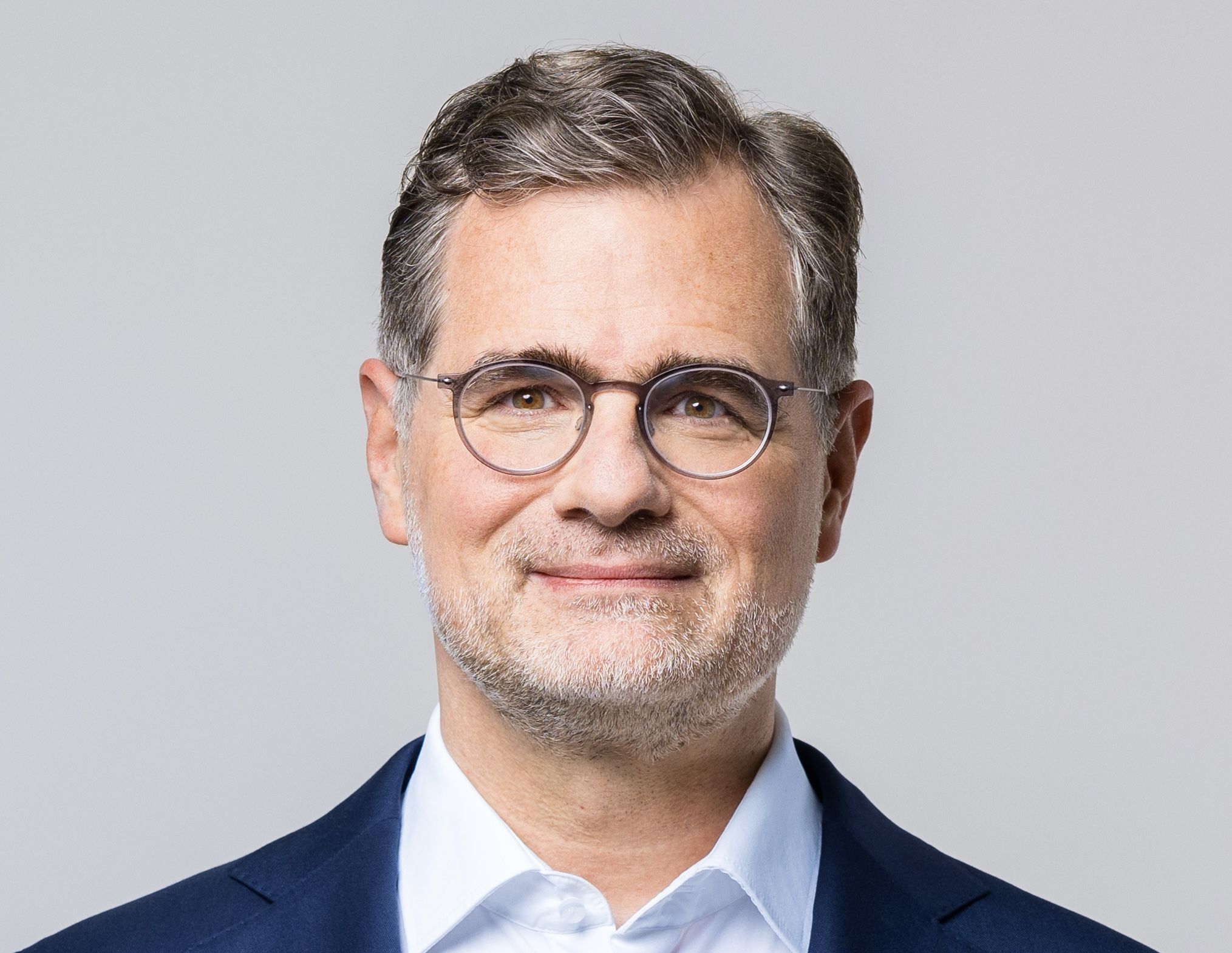
Wolfgang Schmidt Joins MAP's Europe Advisory Team
Macro Advisory Partners is delighted to announce that Wolfgang Schmidt has been appointed Senior Advisor, lending his extensive experience in European affairs, foreign and security policy, and economic statecraft to MAP’s counsel.
Wolfgang is one of Germany’s most experienced political strategists, having served as Federal Minister for Special Tasks, Head of the Federal Chancellery and Commissioner for the Intelligence Services from 2021 to 2025, where he coordinated the work of the federal government and its three-party coalition as well as overseeing Germany's intelligence community.
Previously, Wolfgang was State Secretary at the Federal Ministry of Finance and served in the city-state of Hamburg as Plenipotentiary to the Federation, the European Union and for Foreign Affairs. Wolfgang’s deep understanding of the intersection between politics, economics and geopolitical strategy reflects more than two decades at the centre of German and European decision‑making, shaping policy at the highest levels.
Wolfgang will work closely with MAP’s founding partner and CEO Nader Mousavizadeh and the wider Partner and Senior Advisor team, contributing strategic insight on Germany, Europe and the global political landscape.
As Germany and Europe confront a moment of profound geopolitical complexity marked by widening asymmetries, Wolfgang’s deep expertise and unique perspectives will be invaluable in helping MAP clients navigate this critical juncture.
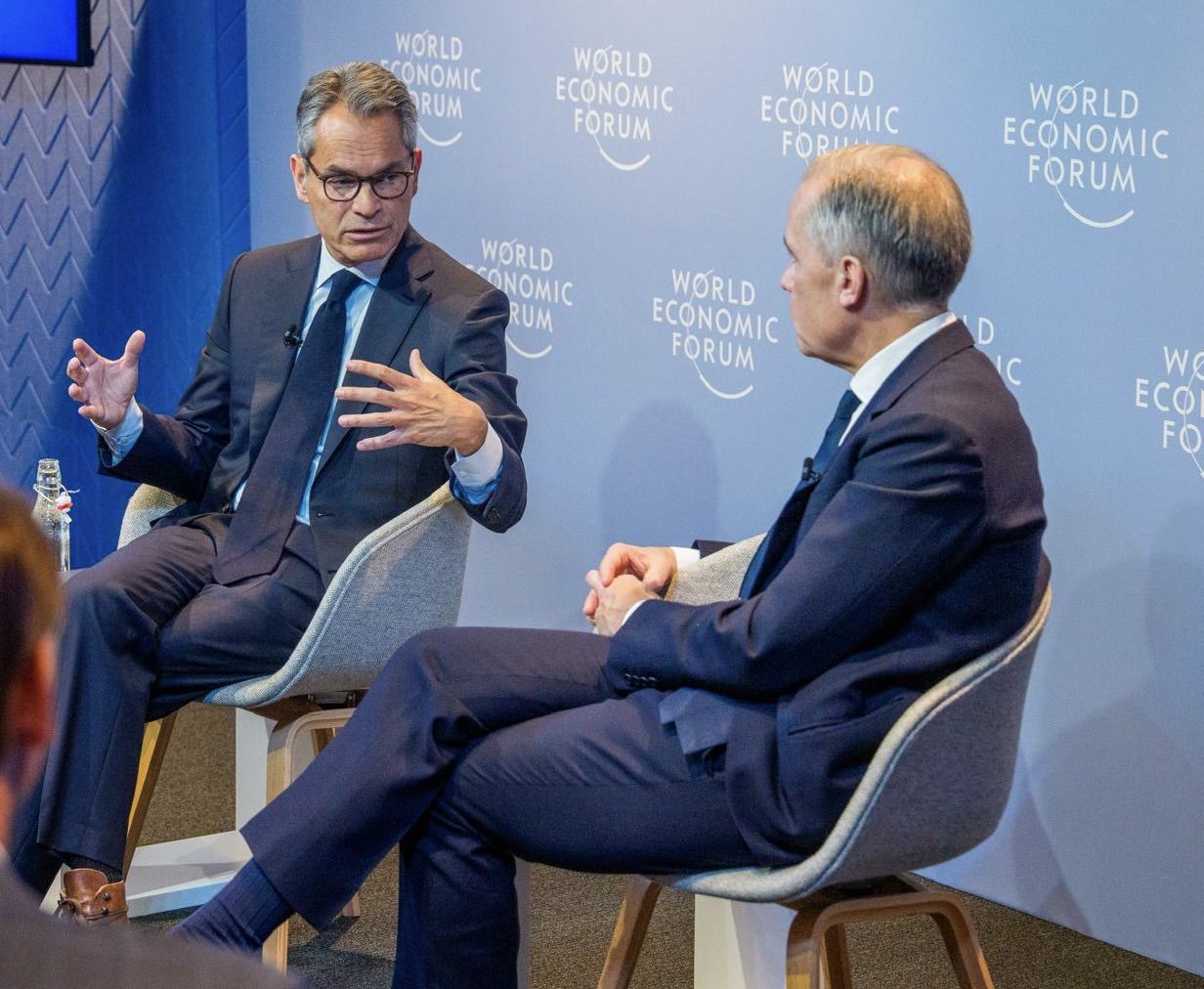
Mark Carney in conversation with Nader Mousavizadeh on Canada’s position in a changing world.
At the Canada Country Strategy Dialogue in Davos, MAP CEO Nader Mousavizadeh and Prime Minister Mark Carney explored how Canada is positioning itself amid a new global reality marked by geopolitical competition, fractured supply chains, and rising protectionism.
Their discussion framed this era of “managed disorder” as the baseline that governments, investors, and companies must now plan for. They also examined Canada’s emerging structural advantages, from critical minerals and clean energy capacity to research depth in AI and advanced technologies , and the country’s growing role in ensuring food security and resilient trade flows.
The dialogue offers a timely lens on how Canada’s ambition to be a trusted, dependable partner as governments and businesses continue to navigate a more complex global landscape.
Bruno Le Maire Joins MAP's Europe Advisory Team
Bruno Le Maire has been appointed Senior Advisor at Macro Advisory Partners, further strengthening MAP’s market-leading Europe advisory team with his extensive economic and political experience.
Bruno’s appointment follows a career at the highest levels of French government where he led the country’s economic and financial portfolio since 2017 as Minister for the Economy and Finance.
As one of France’s longest-serving policymakers, Bruno’s expertise will be invaluable in supporting MAP clients to navigate Europe’s critical juncture for economic, security and policy imperatives.
Working closely with CEO Nader Mousavizadeh and MAP's Partners and Senior Advisors, Bruno’s insight will complement the capabilities of the Europe team, supporting clients engaged in Europe’s evolving economic and policy landscape.

Rare Earth Revolution
The rare earth revolution will redefine supply chains, industries and geopolitics for the next decade
China’s dominant position in rare earth production and processing creates structural supply chain vulnerabilities but also transformative opportunities for those prepared to capitalise on the industrial shifts it will drive. Despite the October 2025 suspension of some Chinese export controls, renewed restrictions remain a real risk and alternative global sources are scarce.
MAP is helping clients turn rare earth uncertainty into strategic advantage through comprehensive risk and opportunity mapping, scenario-based stress testing and targeted stakeholder engagement strategies.

Helping corporates navigate the US-China-Europe divide
Growing political and regulatory divides between the US, China and Europe are redefining the terms of global business.
Competing models of trade, technology and industrial policy are splintering governance systems and reshaping access to innovation, capital and talent. For corporates, this fragmentation demands an agile, multi-track approach to strategy — one that can operate and thrive across three increasingly divergent policy regimes. MAP helps clients anticipate geopolitical inflection points, stress-test exposure and opportunity and position for advantage as the world’s major economies leverage their increasingly complex interdependence.